


When Autonomy Flies the Mission


Two Black Hawk? helicopters recently completed a side-by-side fully autonomous flight. This milestone in a collaboration between Sikorsky, DARPA and the U.S. Army highlighted that autonomous formations are no longer a concept—they are a flight-ready reality.
Why It Matters: Autonomy is often framed as a "future" goal, but the delivery of the MATRIX-equipped UH-60MX to the Army shows the tech is mature, and MATRIX is rapidly becoming the industry standard for safe and reliable autonomy. By integrating fly-by-wire controls with the MATRIX suite, operators can now deploy aircraft that handle the "flying" themselves, allowing crews to focus on the mission rather than the mechanics.
Whether it’s a CAL FIRE mission battling wildfires or a Marine Corps logistics run, MATRIX changes the stakes for the operator:
- Reduced Cognitive Load: Pilots transition from "flying the stick" to "managing the mission." Operators input mission goals via tablet, and the system autonomously generates a safe flight plan using sensors and algorithms.
- Repeatable Precision: Autonomous systems don't get tired or distracted, ensuring every flight is as safe as the last.
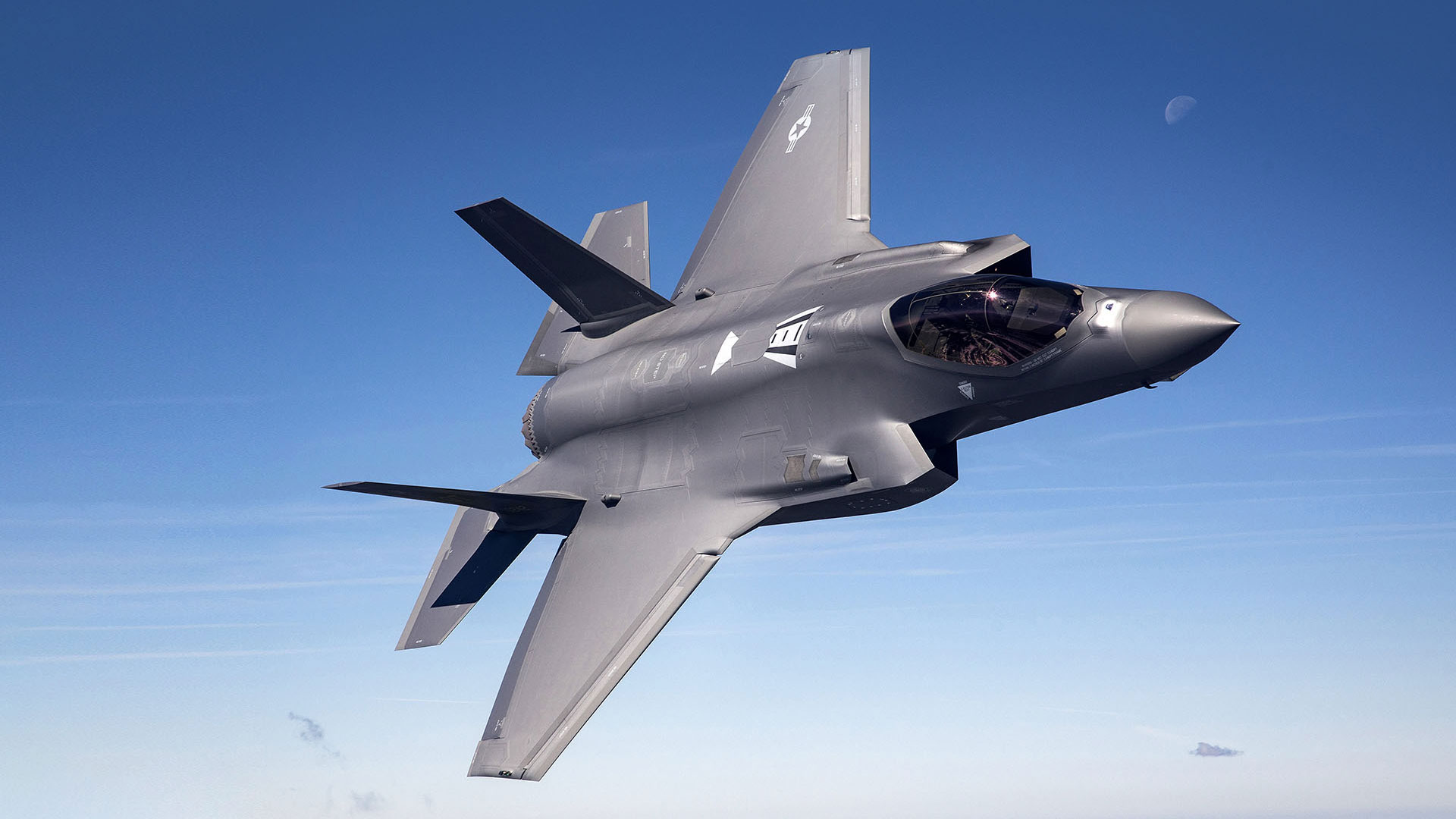
- Platform Agnostic: The tech is already proven on over 20 different aircraft types, from small drones and helicopters to cargo planes and fighter jets, meaning these benefits aren't restricted to a single fleet.
Lockheed Martin is at the ?with a mission?centric evolution that moves beyond simple “self?fly” or “self?drive” concepts to?systems?that can plan, execute and adapt complex operations once they arrive on station.